The Fututre of Automation: How Machine Learning is changing workflows
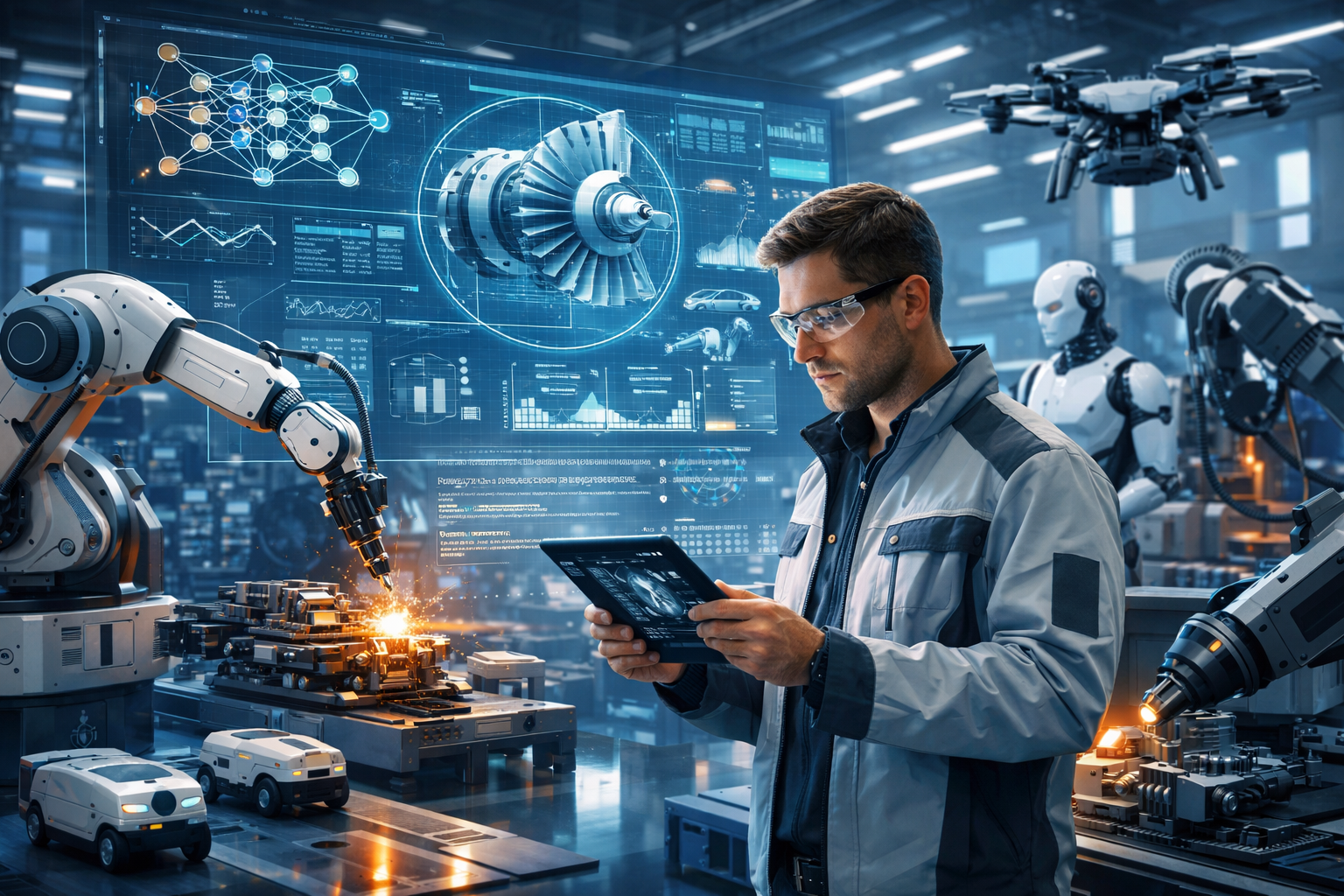
Table of Contents
“Machine learning is transforming key industries by automating complex workflows and enhancing decision-making. From improving business operations and software development efficiency to detecting fraud in finance and optimizing healthcare processes, ML enables faster, smarter, and more reliable outcomes across multiple sectors.”
Introduction
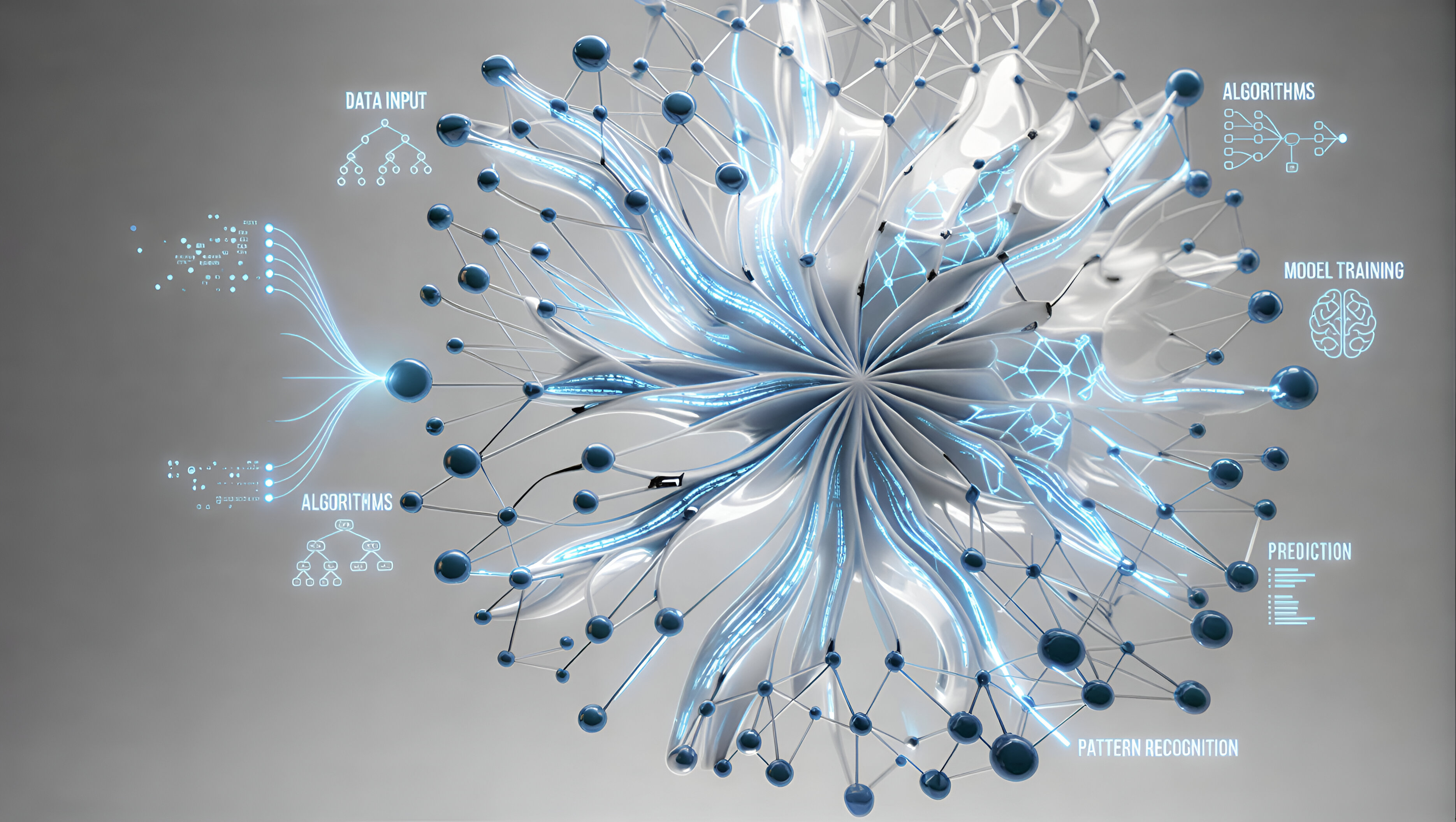
As we enter a new phase of digital transformation, automation is no longer just about replacing repetitive tasks with scripts or rigid rules. Machine learning (ML) is redefining how workflows are designed, executed, and improved. Instead of following predefined logic, modern systems learn from data, adapt to changing conditions, and optimize performance over time.
From startups streamlining internal operations to enterprises modernizing complex infrastructure, ML-driven automation is becoming a strategic advantage rather than an experimental tool. This shift is changing how organizations think about productivity, decision-making, and the role of human expertise in digital systems.
From Rule-Based Systems to Learning Systems
Traditional automation depends on fixed logic: if X happens, do Y. While effective in stable environments, this approach struggles with uncertainty, scale, and evolving conditions.
Machine learning introduces a different model:
- Systems learn patterns from historical and real-time data
- Logic is inferred rather than hard-coded
- Performance improves through continuous feedback
For example, instead of a customer service bot that reacts to specific keywords, ML-powered systems can detect intent, understand context, and prioritize issues based on urgency and sentiment. Automation shifts from a static tool into a dynamic, adaptive system.
Intelligent Workflow Orchestration
ML enables automation to operate at the level of entire workflows rather than isolated tasks.
Modern systems can:
- Monitor multiple processes simultaneously
- Predict bottlenecks before they occur
- Automatically redistribute workloads
- Escalate tasks to humans only when confidence is low
In logistics, this means routes can be recalculated based on traffic, weather, or supply chain disruptions. In finance, transaction pipelines can pause or flag operations when real-time risk exceeds normal thresholds. Workflows become proactive instead of reactive.
Automation as a Decision Support System
Rather than replacing human judgment, ML increasingly serves as a decision support layer.
Examples include:
- Sales platforms that rank leads by likelihood of conversion
- Healthcare systems that highlight high-risk cases for early review
- HR tools that identify skills gaps and suggest personalized training paths
In these cases, automation surfaces insights rather than making final decisions. This allows humans to focus on strategy, ethics, and complex problem-solving while machines handle large-scale analysis and pattern detection.
The Rise of Agent-Based Automation
A growing trend is the use of autonomous AI agents that can plan, act, and evaluate outcomes across multiple tools and systems.
Unlike traditional bots that perform a single function, agents can:
- Break high-level goals into smaller tasks
- Choose the right tools or services to complete them
- Evaluate results and retry or adjust when outcomes fall below expectations
For example, a marketing agent might analyze campaign data, generate new content, deploy it across platforms, and refine targeting based on engagement metrics. This represents a shift toward automation as a digital workforce, not just a background feature.
Industry Impact
-
Business Operations
Machine learning improves demand forecasting, inventory planning, and resource allocation, helping organizations respond faster to market changes. -
Software Development
AI-assisted coding, testing, and deployment accelerate development cycles while reducing human error and technical debt. -
Finance
Adaptive fraud detection systems identify emerging attack patterns in real time without slowing down legitimate transactions. -
Healthcare
Workflow automation improves patient data management, case triage, and staff scheduling, enhancing both efficiency and care quality.
Challenges and Responsible Deployment
ML-driven automation introduces new responsibilities:
- Bias in training data can lead to unfair or inaccurate outcomes
- Complex models can be difficult to interpret or audit
- Over-automation can reduce human awareness and control
Responsible deployment requires transparency, regular performance reviews, and clear human-in-the-loop systems, especially in high-impact fields such as healthcare, finance, and public services.
What the Future Holds
The next generation of automation will be:
- Adaptive, learning continuously from new data
- Collaborative, working alongside humans instead of replacing them
- Distributed, operating closer to where data is generated, not only in centralized cloud systems
Organizations that invest in ethical, flexible, and scalable ML infrastructure will be better positioned to thrive in this evolving landscape.
Conclusion
The future of automation is not about removing people from workflows, but about redesigning how work flows through intelligent systems. Machine learning allows automation to learn, adapt, and support human decision-making at a level that traditional systems cannot match.
The most successful organizations will be those that treat ML not as a shortcut, but as a strategic partner in building smarter, more resilient workflows.
References
- Russell, S., & Norvig, P. (2021). Artificial Intelligence: A Modern Approach. Pearson.
- Goodfellow, I., Bengio, Y., & Courville, A. (2016). Deep Learning. MIT Press.
- McKinsey Global Institute. (2023). The Economic Potential of Generative AI and Advanced Automation.
- Gartner. (2024). Top Strategic Technology Trends: AI and Intelligent Automation.
- OECD. (2022). Artificial Intelligence, Automation, and Work.
- Google Cloud. (2023). Machine Learning for Intelligent Process Automation.
- IEEE Standards Association. (2020). Ethically Aligned Design: A Vision for Prioritizing Human Well-being with Autonomous and Intelligent Systems.
Recommended Insights
Continue your journey